Why Choose Plastic Boxes for Your Packaging Solutions?
In the competitive landscape of packaging solutions, Plastic boxes emerge as a preferred choice. Their versatility, durability, and cost-effectiveness make them a standout option across various industries. According to a recent report by Smithers Pira, the global market for plastic packaging is expected to reach $500 billion by 2027, highlighting the increasing reliance on plastic materials. Experts emphasize the importance of sustainable practices in this growth, noting that “the future of plastic boxes hinges on innovation and environmental responsibility,” as stated by Dr. Emily Torres, a leading figure in plastic packaging research.
Plastic boxes cater to a range of needs, from food storage to industrial applications. They provide protection, efficient handling, and ease of transport. The clarity and strength of plastic boxes enhance product visibility while maintaining quality. However, the industry faces criticism over environmental impacts. As consumer preferences shift toward eco-friendly options, the challenge remains significant. Moving toward sustainable alternatives is crucial. Balancing functionality with ecological responsibility is necessary for future success.
Despite their advantages, the reliance on plastic boxes must be carefully scrutinized. Are manufacturers doing enough to recycle and reduce waste? Addressing these questions will be critical as the industry evolves. Understanding these dynamics can help make informed decisions in packaging choices.
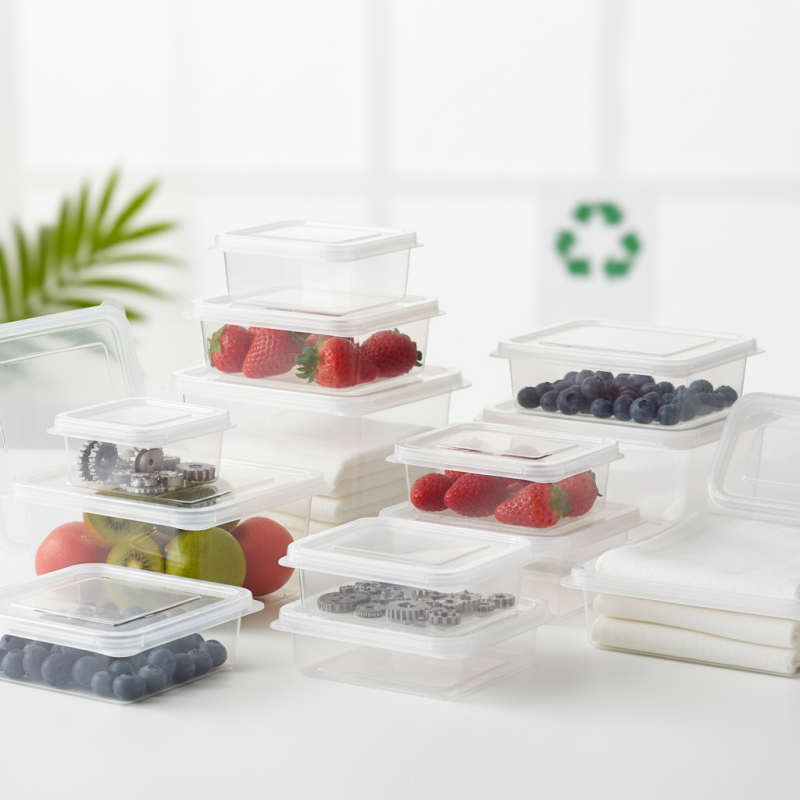
Advantages of Using Plastic Boxes in Packaging Solutions
Plastic boxes have become a favored choice in packaging solutions due to their numerous advantages. One significant benefit is their durability. Unlike cardboard or glass, plastic boxes can withstand impacts and harsh conditions. This quality ensures that products inside remain safe during transit and storage. They are also lightweight compared to traditional materials, reducing shipping costs. Additionally, plastic boxes come in various sizes and shapes, catering to diverse needs.
Another key advantage is the flexibility they offer. Many plastic boxes are designed for reuse. Businesses can save costs by using these boxes for multiple shipments. This sustainability aspect is appealing to eco-conscious consumers. However, choosing the right type of plastic can be tricky, as not all plastics are easily recyclable. Brands need to be mindful of their choices.
Lastly, plastic boxes often feature clear designs that enhance product visibility. Consumers appreciate being able to see the product before purchasing. This transparency can positively impact sales. However, over-reliance on plastic may raise concerns about environmental impact. Companies must balance effectiveness with sustainability.
Market Trends: Growth of the Plastic Packaging Industry
The plastic packaging industry is experiencing significant growth. This shift is driven by increasing consumer demand for innovative and sustainable solutions. Many businesses are transitioning to plastic boxes due to their versatility and durability. These containers are lightweight yet strong, making them ideal for various products. The market is expanding as companies aim to reduce waste and improve consumer convenience.
Tips: Consider the purpose of your packaging. Are you shipping fragile items? Opt for thicker plastic to ensure protection. For retail display, clear boxes can enhance visibility.
Additionally, sustainability is becoming crucial. Many consumers prefer brands that use recyclable packaging. This trend encourages companies to explore eco-friendly materials. While plastic has its drawbacks, innovations in the industry are aiming to address environmental concerns. It is essential to reflect on the choice of materials. Make informed decisions based on reliable data.
Tips: Research suppliers who prioritize sustainable practices. Transparency about your packaging choices can build trust with customers. Remember, effective packaging should not compromise the planet's health.
Growth of the Plastic Packaging Industry (2017-2022)
Comparison of Plastic Boxes vs. Traditional Packaging Materials
In recent years, the packaging industry has seen a shift towards plastic boxes. These solutions offer durability that traditional materials, like cardboard, often lack. Research from Smithers Pira indicates that the global plastic packaging market is expected to reach $400 billion by 2027. This growth highlights a transition rooted in utility and dependence on modern materials.
Plastic boxes provide significant advantages. They are moisture-resistant and can protect contents in various climates. A study by Freedonia Group shows that plastic packaging is gaining market share, especially in sectors like food and beverage, where freshness is critical. On the other hand, traditional materials, while biodegradable, often fall short in terms of strength and versatility.
Yet, there are downsides to consider. The environmental impact of plastic production remains a concern. Recycling rates for plastic packaging hover around 9%, according to the EPA. Additionally, not all plastic boxes are created equal. Some may not utilize recycled materials, raising questions about their sustainability. This comparison reflects ongoing dilemmas in the packaging industry.
Why Choose Plastic Boxes for Your Packaging Solutions? - Comparison of Plastic Boxes vs. Traditional Packaging Materials
| Aspect | Plastic Boxes | Traditional Packaging Materials |
| Durability | High impact resistance, less prone to breaking | Often fragile, can break or tear easily |
| Weight | Lightweight, reduces shipping costs | Heavier, may increase shipping costs |
| Recyclability | Can be recycled, eco-friendly options available | Less recyclable, often ends up in landfills |
| Cost | Moderate initial investment | Variable costs depending on materials |
| Customization | Easily customizable in shape and size | Limited customization options |
| Protection | Excellent barrier against moisture and pests | May not provide sufficient barrier protection |
Sustainability Practices in Plastic Packaging and Recycling Statistics
Plastic packaging is evolving, particularly in sustainability. The industry faces pressures to improve recycling rates. According to recent statistics, only about 9% of all plastic ever produced has been recycled. This highlights a significant gap in recycling capabilities. Many businesses are now investing in solutions to close this loop.
Sustainable practices in plastic packaging can mitigate environmental impact. Companies are adopting bioplastics and increasing the use of recycled materials. A 2022 report indicated that using recycled plastic can reduce carbon footprints by up to 75%. Yet, challenges remain. Many consumers still lack awareness of proper recycling practices. Contamination in recycling bins leads to increased waste.
The need for education is evident. Better recycling systems can enhance recovery rates. Engaging consumers in sustainability efforts fosters a collective sense of responsibility. As the market evolves, understanding these dynamics is crucial. More informed choices can lead to a significant shift towards a circular economy in plastic packaging.
Cost Efficiency of Plastic Boxes in Various Industries
In various industries, plastic boxes stand out as an economical packaging solution. Their lightweight nature reduces shipping costs significantly. Moreover, these boxes can be reused and recycled, enhancing their cost efficiency over time. As companies aim to manage expenses, choosing durable plastic can lead to long-term savings.
Tips for using plastic boxes effectively: Select the right size for your product. This minimizes wasted space and reduces transport costs. Using standard sizes can streamline storage and handling. Additionally, think about stackability. Boxes that nest well save space during off-peak times.
It's crucial to note that not all plastic boxes are created equal. Some may not hold up under stress, leading to potential losses. Evaluating the quality of plastic is key to ensuring reliability. Consider factors such as impact resistance and environmental conditions during storage.