
How to Choose Cookie Boxes for Your Business?

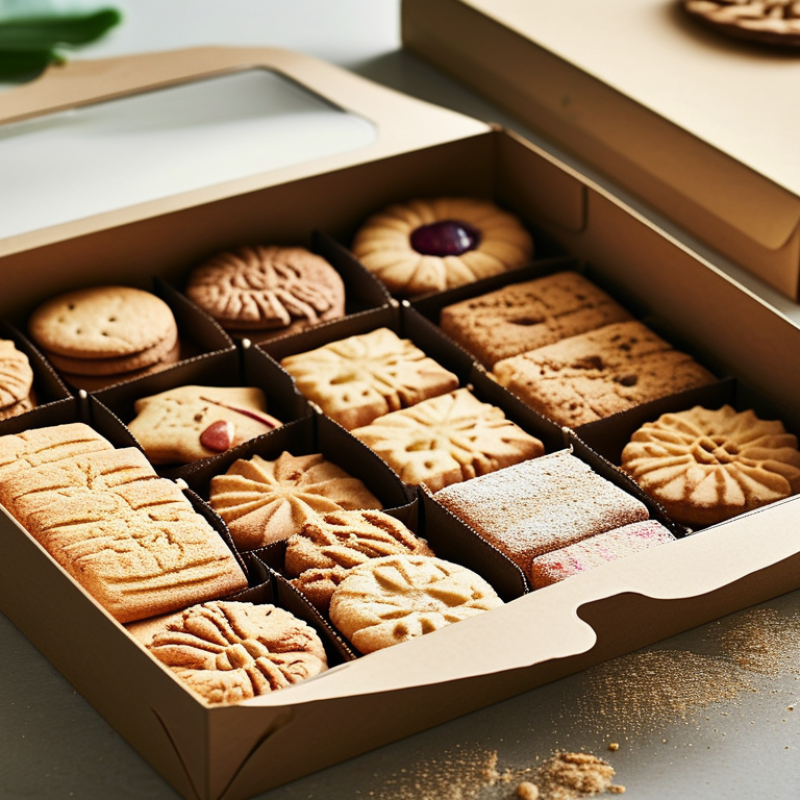
Choosing the right Cookie Boxes can shape how customers remember your business. Packaging protects delicate cookies, supports brand recognition, and influences perceived value. A sturdy box prevents cracked edges during delivery. A clear window can display colorful icing without opening the package. Small details matter.

Start by examining your products, sales channels, and daily packing routine. Thick cookies may need stronger walls or internal dividers. Soft cookies require materials that reduce moisture exposure. For local orders, folding boxes may save storage space. For shipping, reinforced corners and secure closures become more important. Test each design with real cookies, not empty samples. Packaging behaves differently when filled.

Material safety deserves careful attention. Choose food-contact packaging from a reputable supplier. Request product specifications, material details, and printing information. Check applicable local requirements for food packaging and labeling. Requirements can vary by market. Do not assume attractive packaging is automatically suitable. It may not be.

Cost should include more than the unit price. Consider assembly time, damaged products, storage space, and minimum order quantities. A cheaper box can become expensive after repeated failures. Sustainability also needs practical judgment. Recyclable materials are valuable, but only when local systems can process them. Your first choice may need revision. That is normal. Compare samples, gather customer feedback, and improve the box before ordering in bulk. A thoughtful Cookie Boxes strategy protects your products while presenting a reliable, professional brand.
How to Choose Cookie Boxes for Your Business?

Define Your Cookie Packaging Needs and Business Goals

How to Choose Cookie Boxes for Your Business?

Define Your Cookie Packaging Needs and Business Goals

Start by examining your cookies, not the box design. A soft, iced cookie needs more protection than a firm shortbread. Measure each cookie after cooling, including its height and decoration. Leave enough space to prevent smudged icing, but avoid excessive movement. Test the box with real products. A sample box may look suitable until delivery begins.

Think about your sales channel and customer experience. A counter-sale box can be simple, while a delivery box needs stronger corners and a secure closure. Decide whether your main goal is freshness, premium presentation, lower cost, or faster packing. These goals can conflict. An attractive rigid box may increase protection, but it can reduce your profit margin. That trade-off deserves careful calculation.

Estimate your daily order volume before choosing a complex structure. Small batches may benefit from flexible folding boxes and easy assembly. Larger volumes require consistent sizing and efficient packing steps. Check whether the box fits your storage shelves and shipping cartons. This detail is easy to miss. It can create unnecessary labor later.

Choose food-contact-safe materials and request clear supplier specifications. Review thickness, coating, print quality, and recycling guidance. Avoid claims you cannot verify. During testing, shake a packed box gently and inspect it after several hours. I have found that packaging decisions sometimes focus too heavily on appearance. Customer feedback may reveal that a quieter, simpler box works better.

Compare Cookie Box Materials, Sizes, and Structural Designs

How to Choose Cookie Boxes for Your Business?

Material choice should start with the cookie, not the logo. Butter-rich cookies can stain thin paperboard, while crisp cookies may break inside flexible packs. Folding paperboard offers clean printing and easy stacking. Corrugated board adds cushioning for delivery orders. Recycled fiber is attractive, but it may soften near steam or high humidity. Smithers reported that the global sustainable packaging market could reach approximately $393 billion by 2028. The figure supports better material planning, not careless material claims.

Size affects protection, cost, and presentation. Measure the cookie diameter, height, and decoration before selecting a box. Leave enough headspace for icing, but avoid a loose interior. A 12-cookie box may need a divider when several flavors share one order. Smaller two- or four-piece boxes suit gifts and reduce unused space. Grand View Research estimates the global folding carton market will grow steadily through 2030, driven partly by food packaging demand. Yet a popular format is not automatically the right format.

Structural design changes the customer’s experience. Tuck-end boxes close quickly, while sleeve designs create a more premium opening moment. Window panels show decoration clearly, but they can reduce stacking strength and complicate recycling. Inserts prevent sliding during delivery; they also increase material use. I have seen attractive boxes fail because the locking tab opened under weight. Test filled samples, chilled and at room temperature, before ordering. A simple drop test can reveal more than a polished mock-up.

How to Choose Cookie Boxes for Your Business?

Comparing cookie box materials, sizes, and structural designs

Typical material thickness helps indicate protection and storage requirements. Folding paperboard is suitable for lightweight retail cookies, while corrugated and rigid board provide greater protection for shipping or premium presentations.

Box Size Typical Dimensions Recommended Structure Best Use
Small 18 × 12 × 5 cm Tuck-end carton Individual or small cookie portions
Medium 24 × 18 × 6 cm Auto-lock bottom box Retail gift packs and assorted cookies
Large 30 × 22 × 8 cm Two-piece rigid box Premium gift sets and fragile cookies

Choose Boxes That Protect Cookies During Storage and Delivery

How to Choose Cookie Boxes for Your Business?

Choose boxes that protect cookies during storage and delivery, not merely display them attractively. A sturdy box should resist bending, crushing, and sudden movement. I once tested a lightweight package that looked elegant on a shelf. During delivery, its corners softened, and several cookies arrived cracked. Appearance was not enough.

Choose a close-fitting size with minimal empty space. Too much room allows cookies to slide and break. However, an overly tight box can damage icing or delicate edges. Food-contact materials should be clean, odor-free, and suitable for the products you sell. Add a firm insert when cookies have different shapes or toppings. For humid storage, consider packaging that limits moisture exposure. Always check whether the box closes securely after repeated handling.

Tips: Place a filled sample box under light pressure. Shake it gently. Inspect the cookies after one day. Test stacking, temperature changes, and a realistic delivery route before ordering in bulk. Record what fails, even if the mistake seems small. A box may protect cookies in your kitchen but perform poorly in a delivery vehicle. Review the fit as recipes, portion sizes, and seasonal decorations change. Practical testing often reveals more than attractive product photos.

Evaluate Branding, Customization, Sustainability, and Food Safety

How to Choose Cookie Boxes for Your Business?

A cookie box should protect the product and explain your business at a glance. Start with branding. Choose colors, typography, and finishes that match your shop’s personality. A small logo on the lid may feel more confident than crowded artwork. Custom inserts can separate delicate cookies and create a cleaner unboxing experience. Test the design with real products, not empty samples. A box that looks elegant online may feel awkward in a customer’s hands.

Sustainability needs practical judgment. Select the smallest box that prevents crushing and unnecessary movement. Paperboard with recycled content can reduce material use, but confirm its strength first. Compostable packaging is not automatically suitable everywhere. Local collection systems may not accept it. Ask suppliers for clear material details and disposal guidance. I have learned that attractive “green” claims can become confusing without evidence. Keep claims specific.

Food safety must guide every choice. Use packaging intended for direct food contact, especially for cookies with butter, chocolate, or oily fillings. Check grease resistance, moisture barriers, and ink placement. Printing should not rub onto the cookies. Request supplier documentation, production details, and batch traceability. Store finished boxes away from dust, moisture, and strong odors. A simple handling test helps: pack warm cookies, close the lid, and inspect the box after several hours. Small failures matter.

Set a Practical Budget and Select a Reliable Packaging Supplier

Choosing cookie boxes starts with a practical budget, not attractive samples. Calculate the full cost per box, including board, printing, inserts, shipping, storage, and damaged units. A low quoted price can become expensive when cookies arrive cracked or oily. The U.S. Environmental Protection Agency reported that paper and paperboard containers generated about 41 million tons of municipal solid waste in 2021. Material efficiency matters, especially for growing orders.

Set a target cost before contacting suppliers. Then request three samples using your actual cookie size, weight, and filling. Test stacking, moisture resistance, folding accuracy, and closure strength. Keep notes. Real testing often exposes weak corners that product photos hide. A reliable supplier should provide board specifications, food-contact documentation, production lead times, and a clear replacement policy. Ask for a small pilot order before committing to thousands of units.

Supplier quality deserves its own budget. The Packaging Machinery Manufacturers Institute’s 2024 industry outlook highlights sustainability, efficiency, and supply-chain resilience as major packaging priorities. These goals require more than recyclable paper. Ask how the supplier controls color variation, dimensions, and batch consistency. Confirm whether they inspect every production run or only random samples. I would also reserve 5–10% of the packaging budget for defects and urgent freight. That may feel wasteful. It is not always wasteful. A perfect forecast is rarely realistic.

Article Source:

t