What Are the Top China 7 Pin Trailer Socket Suppliers?
Choosing the right 7 Pin Trailer Socket supplier in China requires more than comparing catalog prices. A reliable supplier must deliver stable pin layouts, clean terminal crimping, weather resistance, and consistent batch quality. Small details matter. A loose ground can disable trailer lights during rain, vibration, or night driving.
Trailer-electrics consultant Andy Thomson states, “A socket is only as reliable as its ground connection.” This practical observation should guide every supplier review. Buyers should examine copper or brass terminal materials, housing strength, cable sealing, contact resistance, and testing procedures. Suppliers with ISO-certified systems may appear safer, but certification alone does not guarantee excellent production.
This guide compares leading China-based manufacturers and export-oriented suppliers serving automotive, caravan, agricultural, and commercial trailer markets. It considers product range, customization ability, sample quality, factory experience, packaging, communication, and after-sales support. Suppliers such as Ningbo-based electrical manufacturers may offer competitive pricing, while larger international brands often provide stronger documentation and testing records.
Price is not everything. It rarely is.
A careful buyer should request wiring diagrams, inspection reports, salt-spray results, and real product samples before placing a large order. Factory photos can help, but they prove little. Even experienced buyers can miss inconsistent plating or weak strain relief. That is an important limitation of supplier rankings.
The best 7 Pin Trailer Socket supplier depends on your application, order volume, market requirements, and tolerance for replacement risk. This overview aims to create a practical starting point, not an unquestionable verdict. Supplier capabilities change, and some information may require direct verification before purchase.
What Is a 7-Pin Trailer Socket and How Does It Work?
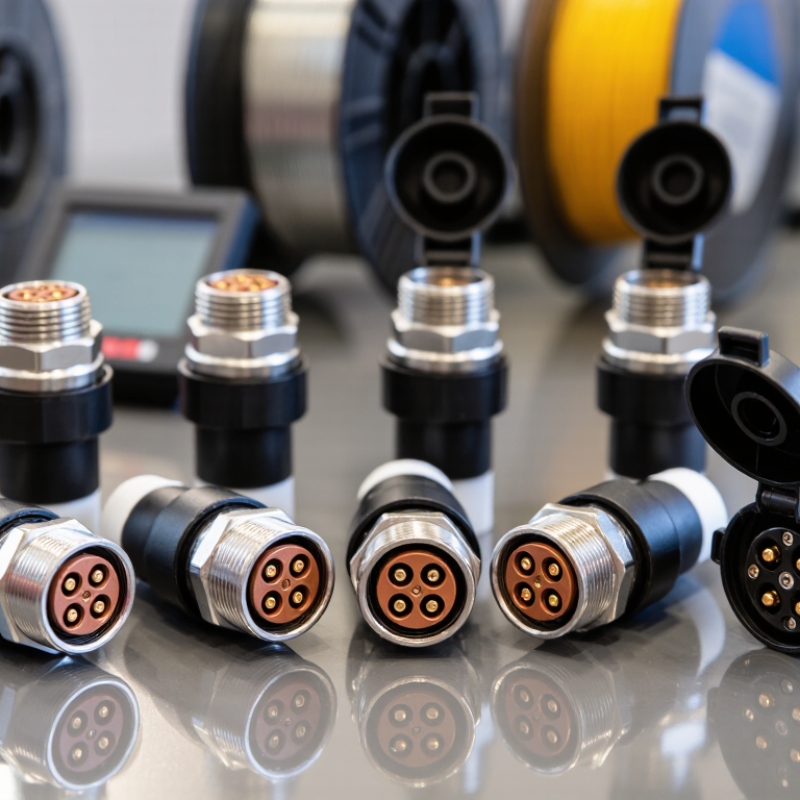
A 7-pin trailer socket is the electrical link between a towing vehicle and a trailer. It carries signals for road lighting and basic trailer functions. In the common European arrangement, the seven pins support left and right indicators, tail lamps, brake lights, rear fog lighting, and ground. Pin layouts can vary by market, so never rely on color alone.
When the driver activates a control, the vehicle sends a low-voltage signal through the matching pin. The socket transfers that current to the trailer plug, which powers the related lamp. A clean ground connection is essential. Without it, several lights may flicker or work together incorrectly. During supplier evaluations in China, buyers should request wiring diagrams, terminal material details, weather-resistance data, and sample test reports. A reliable supplier should explain its inspection process clearly.
Tips: Check pin numbering with a meter before installation. Test every lamp under vibration and light rain. Inspect the spring cover, sealing ring, and cable clamp by hand. Cheap plastic can look strong at first. It may crack after repeated winter use. Also, ask whether production samples match mass-production parts. This detail is easy to miss. No inspection method is perfect, so keep records of test results and review failures honestly.
What Makes China a Major Source of 7-Pin Trailer Sockets?
What Are the Top China 7 Pin Trailer Socket Suppliers?
China is a major source of 7-pin trailer sockets because its supply chain is broad, fast, and highly integrated. Recent UN Comtrade data for HS 8536.90 shows China among the leading exporters of electrical connection equipment. This category includes related socket components, not only trailer products. That distinction matters. Industrial research from MarketsandMarkets also identifies Asia-Pacific as a key automotive connector production region, supported by vehicle manufacturing and electronics capacity.
In practical sourcing, Chinese suppliers often produce brass terminals, nylon housings, seals, springs, and wiring kits under one production network. A socket can move from stamping to injection molding within the same industrial cluster. Suppliers commonly support 12-volt and 24-volt systems, private labeling, and small design adjustments. I have found that sample testing reveals more than a polished catalog. Poor crimping, loose pins, or weak sealing can appear after repeated vibration. Supplier quality still varies.
Tips: Request material certificates, wiring diagrams, IP test evidence, and salt-spray results. Check pin alignment with a real trailer plug. Ask for samples from two production batches. Also confirm whether quoted prices include terminals, caps, cable, and packaging. Industry reports provide useful direction, but they rarely measure seven-pin sockets separately. That limitation deserves attention.
Which China 7-Pin Trailer Socket Suppliers Stand Out?
Which China 7-Pin Trailer Socket Suppliers Stand Out?
China’s strongest 7-pin trailer socket suppliers usually show more than attractive catalogue photos. They provide clear wiring diagrams, stable production records, and traceable material information. Experienced suppliers explain pin layouts, terminal plating, housing polymers, and sealing methods without vague promises. That detail matters when a socket faces rain, vibration, road dust, and repeated connection cycles.
Look for suppliers with in-house moulding, assembly, and electrical testing. A dependable factory should verify continuity, contact resistance, locking strength, and water resistance during production. Sample testing is essential. It can reveal loose terminals, brittle covers, or poor strain relief before a larger order begins. No supplier is perfect. A polished sample may not represent every production batch.
The suppliers that stand out also communicate like engineers, not just sales teams. They confirm voltage requirements, cable sizes, mounting dimensions, packaging needs, and realistic lead times. They should support private labelling and reasonable design adjustments while protecting product consistency. Relevant quality systems and inspection records add credibility, but documents need checking. Ask for recent test reports, production photos, and corrective-action records. Small details matter. A supplier that admits a limitation may be more reliable than one promising everything. Personally, I would compare several samples under identical conditions before choosing a long-term manufacturing partner.
How to Compare Quality, Certifications, and Customization Options
What Are the Top China 7 Pin Trailer Socket Suppliers?
Comparing China 7-pin trailer socket suppliers requires more than checking unit price. In supplier audits, I examine terminal alignment, copper thickness, sealing rings, and strain relief. A socket should connect cleanly after repeated insertions, not only during a factory demonstration. ISO 1724 remains a key reference for 7-pin, 12-volt trailer connections. Ask suppliers for test records against this standard. Also request IEC 60529 evidence when an IP rating is claimed. Small gaps around the cover can allow water into the contacts.
Certifications reveal production discipline, but certificates need verification. ISO’s 2022 Survey reported 1,265,216 ISO 9001 certificates worldwide. This figure shows broad adoption, not automatic product quality. Check the certificate scope, factory address, expiry date, and issuing body. For automotive supply chains, IATF 16949 can indicate stronger process control. RoHS and REACH declarations also support safer material selection. However, paperwork can look impressive while samples remain weak. That is the part buyers sometimes underestimate.
Tips: Request three samples from different batches. Test vibration, salt spray, insertion cycles, and cable pull strength. Confirm whether customization covers pin layout, cable length, logo-free packaging, molding color, and connector materials. Ask for a pre-production sample before placing a large order. Be specific. Customization may increase tooling costs and extend delivery time. A supplier that answers slowly is not always unreliable, but that warning deserves reflection.