Top Printing Business Trends to Watch in 2026?
The printing business is undergoing significant changes as we approach 2026. New technologies and consumer preferences are reshaping the landscape. Understanding these trends is crucial for businesses aiming to thrive.
One notable shift is the rise of sustainable printing practices. Companies are increasingly seeking eco-friendly materials and processes. This reflects a growing consumer demand for environmental responsibility. Moreover, digitalization is transforming traditional methods. Businesses that adapt will remain competitive.
In this evolving environment, innovation is essential. Print-on-demand services are gaining traction, catering to personalized needs. However, the rapidly changing market poses challenges. Businesses must stay agile and continuously evaluate their strategies. The future of the printing business is bright but requires careful navigation.
Emerging Technologies Revolutionizing the Printing Industry in 2026
The printing industry is on the brink of transformation. In 2026, emerging technologies will play a crucial role in reshaping production processes. Digital printing is advancing with higher speed and quality. New printing materials are being developed, leading to increased sustainability. The focus on eco-friendly options will redefine consumer expectations. Companies will need to adapt to these changes.
Automation and artificial intelligence are becoming essential in printing. They optimize workflow and reduce human error. Inks and substrates are also evolving. Biodegradable options are gaining traction. This shift may challenge traditional processes and prompt reflection. Adapting to change can be difficult for some businesses. It may require new skills and investment in technology.
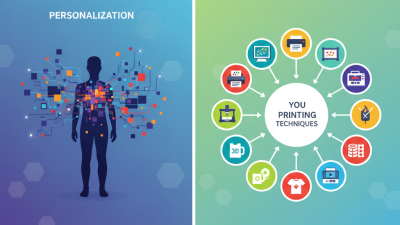
Additionally, the personalization trend is growing. Customers desire unique products. On-demand printing allows for customization that meets these needs. However, managing smaller batch sizes could complicate logistics. Embracing flexibility in production is vital for success. Harnessing these technologies is not merely an option; it is a necessity for staying competitive in the future.
Top Printing Business Trends to Watch in 2026
| Trend |
Description |
Impact Level |
Estimated Adoption Year |
| 3D Printing |
Integration of 3D printing technologies for rapid prototyping and production. |
High |
2026 |
| Sustainable Printing Practices |
Adopting eco-friendly materials and processes to reduce environmental impact. |
Medium |
2025 |
| Automation and AI |
Using AI and automation to streamline operations and improve efficiency. |
High |
2026 |
| Augmented Reality (AR) in Printing |
Incorporating AR technology to enhance customer engagement and product visualization. |
Medium |
2026 |
| On-Demand Printing |
Providing printing services that cater to immediate demands, reducing waste. |
High |
2025 |
Sustainable Printing Practices Gaining Popularity Among Businesses
Sustainable printing practices are increasingly essential for businesses today. Companies are adopting eco-friendly materials to reduce waste. This shift is evident in the use of recycled paper and biodegradable inks. These choices reflect a growing awareness of environmental impact. Many businesses aim to meet customer demand for sustainable options. This approach often requires reevaluating supply chains and production processes.
However, the transition to sustainable printing isn’t without challenges. Some companies struggle with the cost of sustainable materials. Balancing quality with eco-friendliness can be difficult. In some cases, businesses face limitations in available resources. It’s important for companies to assess their needs carefully. They must find solutions that align with their sustainability goals and economic realities.
Education plays a crucial role in this shift. Training employees on sustainable practices ensures they understand the importance of these changes. Sharing knowledge about eco-friendly technologies is essential. Businesses that successfully integrate sustainability into their operations often inspire others. This creates a ripple effect in the industry, pushing for broader adoption of green practices.
Customization and Personalization Trends in Printing Services
In 2026, the printing industry is set to embrace a deep commitment to customization and personalization. Customers increasingly desire products that reflect their unique identities. This trend is pushing printing services to develop innovative solutions tailored to individual preferences. Small batch printing allows for limited editions, making products feel exclusive.
As technology advances, options like 3D printing and digital customization will become more prominent. By enabling clients to create one-of-a-kind items, businesses can enhance customer engagement. However, navigating this demand isn’t always straightforward. Balancing quality and speed in production can be challenging. Maintaining a robust supply chain is essential to avoid delays.
Additionally, the shift towards sustainable practices complicates these efforts. Many consumers prioritize eco-friendly materials in their personalized products. Yet, sourcing sustainable options can be difficult and costly. Printing businesses must continually adapt, exploring new methods while remaining true to their values. It's a delicate balance of innovation, environmental responsibility, and customer satisfaction that marks the future landscape of printing services.
The Role of E-commerce in Shaping the Future of Printing
E-commerce is transforming the printing industry. As more businesses move online, traditional printing models are evolving. Companies now face the need to adapt quickly. This shift opens avenues for personalized products and on-demand printing. Customers expect tailor-made solutions just a click away. This demand fuels innovation in design and production processes.
One challenge lies in inventory management. Businesses must balance stock levels with print jobs. Too much inventory can lead to losses, while too little can mean missed opportunities. E-commerce platforms can help track customer preferences. They gather data that informs printing trends. This allows companies to respond swiftly to changing needs.
Customer engagement has become essential. Companies must build trust online. Clear communication is key. Transparency in pricing and delivery times enhances reliability. However, maintaining quality at scale remains a concern. Companies should constantly seek feedback. This helps in refining products and services. Embracing a customer-centric approach is vital. The future of printing will be shaped by these e-commerce dynamics.
Integration of Artificial Intelligence in Print Production Processes
The integration of artificial intelligence (AI) in print production processes is revolutionizing the printing industry. AI technologies will streamline workflows, reduce waste, and improve output quality. For instance, automated color correction and design adjustments can enhance the final product. Many companies are investing in AI systems to analyze customer data, thus predicting trends in preferences and behaviors.
Maintaining quality while embracing these changes can be a challenge. Not all AI solutions fit every printing process. Misalignment can lead to production inefficiencies or unsatisfactory results. Business owners must evaluate their specific needs carefully. This ensures that AI tools used are appropriate and effective.
Overall, the ongoing evolution of AI will impact profit margins and productivity levels. Companies that successfully integrate these technologies will likely lead in innovation. As the industry adapts, continuous assessment of AI's effectiveness is essential. This reflection will guide further improvements and ensure reliability in print production.
Top Printing Business Trends to Watch in 2026